 Birch Bay Siding
 Window Installation Built for Ferndale's Climate
Ferndale sits close enough to the water and open farmland that its windows take a beating most inland homes never see. Between salt-laden air drifting off the Salish Sea, long stretches of driving rain through fall and winter, and a moss season that seems to start earlier every year, window frames and seals here age faster than the manufacturer's brochure suggests. A window installation crew that treats Ferndale like any other job site will miss the details that actually matter in Whatcom County.
This page covers what a correct window installation looks like for homes in and around Ferndale, what local conditions demand from the materials and methods used, and how our process is built around those realities rather than around a generic install checklist.
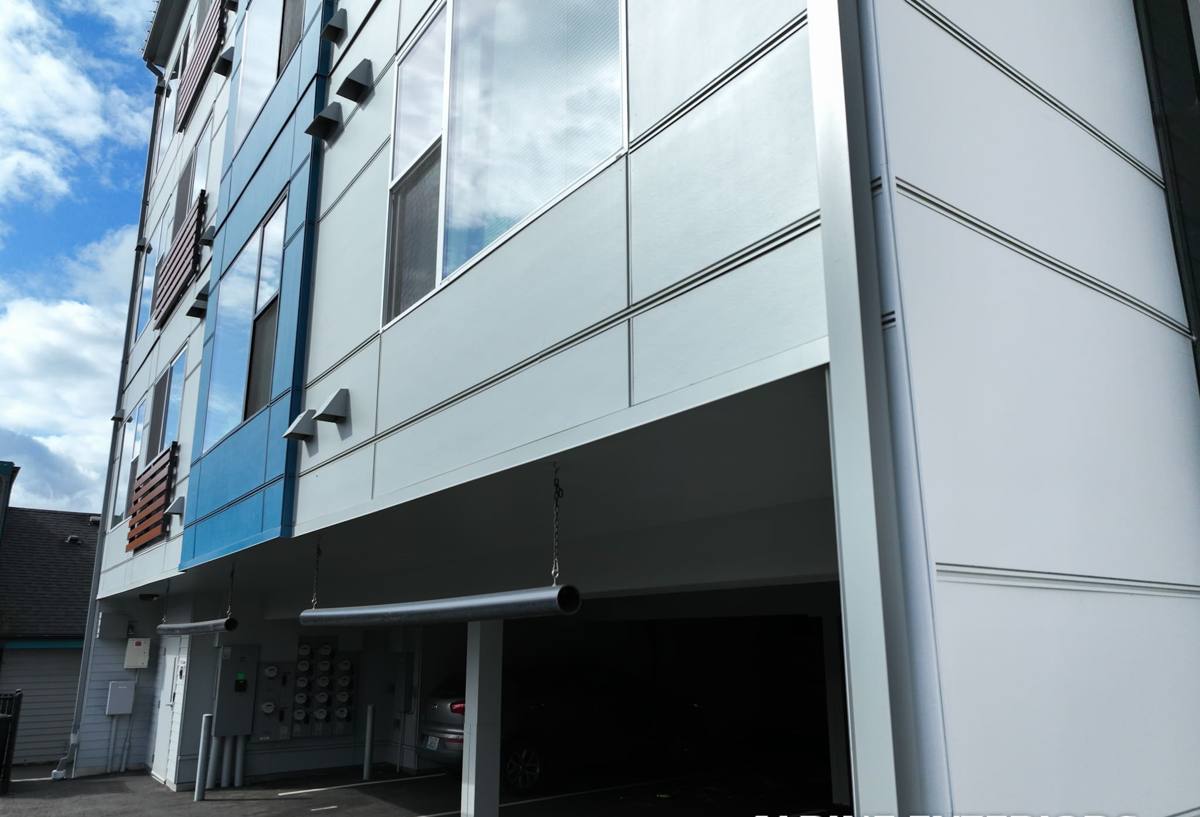
What Whatcom County Weather Does to Windows Over Time
Three conditions do most of the damage to window installations in this area, and they compound each other.
Salt Air
Homes closer to the water deal with airborne salt that settles on window hardware, screens, and exposed fasteners. Over years, salt exposure corrodes cheap hinges, latches, and uncoated metal flashing, which is one reason we pay attention to hardware quality and flashing material, not just the glass package.
Driving Rain
Wind-driven rain doesn't fall straight down here — it gets pushed sideways into wall assemblies, which means the water management around a window (flashing, sill pans, sealant) matters more than in drier climates. A window that's perfectly level but poorly flashed will leak eventually. It's just a matter of time.
Moss and Sustained Moisture
A long, wet moss season keeps humidity high against exterior walls for months at a stretch. That moisture finds any gap in a window's seal and works it wider over time. Trim, sills, and the framing around a window are especially vulnerable if the original install didn't account for sustained dampness.
Signs a Ferndale Home Needs New Windows
Not every drafty window needs full replacement, but these are the signs worth taking seriously before winter weather makes the problem worse:
- Visible fogging or moisture between panes, which means the seal has failed and the insulating gas has escaped
- Soft or discolored wood on the interior sill or exterior trim
- Windows that are noticeably harder to open, close, or lock than they used to be
- Cold drafts near the frame even when the window is fully closed
- Visible gaps, cracked caulking, or daylight showing around the frame
- Persistent moss or dark staining on the exterior trim or siding directly around the window
- Rising heating bills without any other explanation
If you're seeing two or more of these, it's worth having someone look at the window itself rather than just re-caulking and hoping.
What a Correct Window Installation Actually Involves
The window unit itself is only part of the job. Most leaks and premature failures we get called out to fix trace back to the installation details around the window, not the window itself.
Flashing and Water Management
Every window opening needs a sill pan and properly lapped flashing so that any water that gets past the exterior finish drains back out instead of into the wall cavity. This step is invisible once the trim goes back on, which is exactly why it's the step some installers rush.
Air and Moisture Sealing
Low-expansion foam or backer rod and sealant around the perimeter of the window frame stops both air infiltration and moisture intrusion. Too much rigid foam can bow a frame out of square; too little leaves gaps. This is a judgment call that comes from experience, not a one-size formula.
Frame, Trim, and Fastening
The window needs to be shimmed square and plumb, fastened per the manufacturer's schedule, and the exterior trim reinstalled or replaced with material that will hold up to sustained wet weather. Skipping the manufacturer's fastening pattern to save time is a common shortcut that shows up as a warranty problem later.
Window Materials: What Holds Up Here
Material choice affects both how the window performs in this climate and how much upkeep it demands over its life. Here's how the common options compare for a Ferndale-area home.
| Material | Moisture Resistance | Maintenance | Typical Lifespan |
|---|---|---|---|
| Vinyl | Good — won't rot or corrode | Low; occasional cleaning | 20-30 years |
| Fiberglass | Very good — dimensionally stable in wet/dry cycles | Low | 30-40 years |
| Wood-Clad | Good if cladding is intact; vulnerable where cladding is compromised | Higher — exposed wood needs monitoring and refinishing | 20-30 years with upkeep |
| Aluminum | Poor thermal performance; can corrode near salt air over time | Moderate | 20-25 years |
For most homes in this area, vinyl or fiberglass frames make the most sense because they don't give salt air or sustained moisture anything to work against. Wood-clad windows can still be the right choice for a specific look, but we're upfront that they carry a higher long-term maintenance burden here than in a drier climate, and we'll walk through that trade-off honestly rather than talk you out of a style you want.
Glass Options Worth Considering
Beyond the frame, the glass package affects comfort and energy use year-round.
- Double-pane, low-E glass is the standard baseline for this climate — it cuts heat loss and reduces condensation risk on the interior pane.
- Triple-pane glass adds further insulation value and is worth the added cost for north-facing rooms, bedrooms, or homes right along the water where wind exposure is higher.
- Argon or krypton gas fill between panes improves insulation performance and is standard on most quality double- and triple-pane units.
Our Installation Process
1. On-Site Assessment and Measurement
We look at the existing window openings, check for hidden water damage around the frames, and take precise measurements. This is also when we talk through material and glass options based on the window's exposure — a window on the weather side of the house gets a different conversation than one under a covered porch.
2. Careful Removal and Opening Prep
Old windows come out carefully to avoid damaging the surrounding wall. If we find rot, damaged sheathing, or old flashing that's failed, we address it before the new window goes in — installing a new window into a compromised opening just locks the problem behind new trim.
3. Installation, Flashing, and Sealing
The new window is set, shimmed, fastened, flashed, and sealed following manufacturer specifications, with extra attention to the water management details that matter most in this climate.
4. Trim, Cleanup, and Final Walkthrough
Interior and exterior trim is finished, the work area is cleaned up, and we walk through each window's operation with you before calling the job done.
What Affects the Cost
Every home is different, so we won't quote a number without seeing the job, but these are the main factors that move the price up or down:
| Factor | Effect on Cost |
|---|---|
| Insert (pocket) vs. full-frame replacement | Full-frame costs more but is necessary when framing is damaged or the opening size is changing |
| Window size and type (fixed, single-hung, casement, sliding) | Larger windows and operable hardware cost more than fixed units of the same size |
| Frame material | Fiberglass typically costs more upfront than vinyl; both save on long-term maintenance versus wood |
| Glass package | Triple-pane and specialty coatings add cost but improve comfort and efficiency |
| Hidden repairs | Rotted framing or sheathing found during removal adds labor and material cost |
| Number of windows | Doing multiple windows in one visit generally lowers the per-window cost |
As a rough starting point, straightforward insert replacements often run in the low-to-mid hundreds per window, with full-frame replacements, larger units, or upgraded glass pushing that higher. The only way to know for certain is a look at your specific windows.
Why a Local Ferndale Crew Makes a Difference
Window installation isn't complicated in theory, but doing it well in Whatcom County means designing around conditions that a crew from a drier region simply doesn't think about by default — flashing details sized for driving rain, hardware that won't corrode in salt air, and trim materials chosen with a long moss season in mind. A crew that already works Ferndale and the surrounding Birch Bay area has seen how these specific conditions play out on real homes, knows which details cause callbacks if they're skipped, and can spot problems — like water damage from a prior install — before they get sealed behind new trim.
There's also a practical side to hiring local: shorter response times if something needs a follow-up look, and familiarity with the permitting and inspection process in this county.
Ready to Talk About Your Windows?
If you're dealing with drafty, fogged, or hard-to-operate windows, or you're planning ahead for a full replacement project, we're happy to take a look and give you a straight answer about what your home actually needs. Fill out the form below for a free, no-pressure estimate.